Scholars: Heirs of the Prophets vs. Heirs of Desires

Introduction
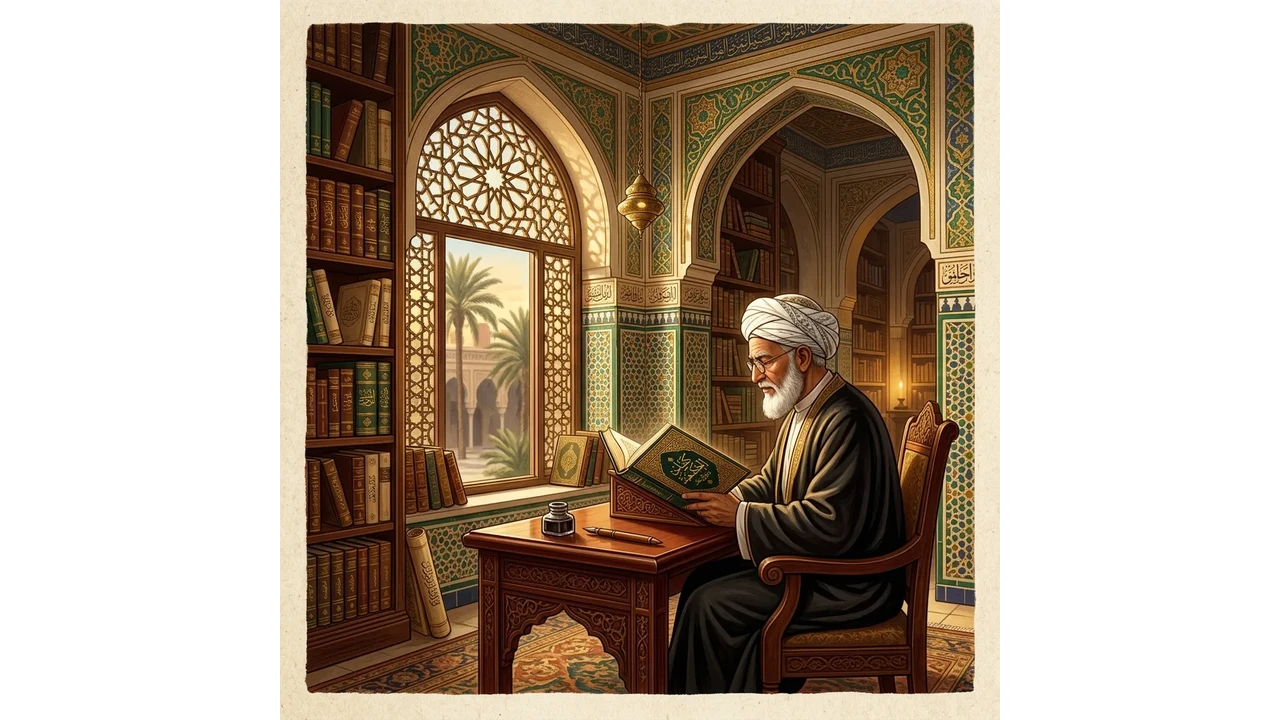
True scholars (ulama) occupy an exceptionally noble position in Islam. They are the heirs of the Prophets—not only inheriting the treasury of knowledge, but also carrying the heavy responsibility of calling people to Allah (dawah). Consequently, the actions and stances of true scholars will always emulate the footsteps of the prophets of the past, including in how they interact with rulers and those in authority.
On the other hand, history and contemporary reality also reveal a class of religious scholars who sacrifice their knowledge and religious principles for worldly interests, power, or popularity. This group is often termed scholars who inherit desires (ulama su’). Understanding the fundamental differences between these two is vital so that we do not mistakenly choose our role models.
Three Relational Paths of Prophets and Power Inherited by Scholars
If we examine the stories of the prophets in the Qur’an, their interaction with political power falls into three main categories. This legacy is what true scholars inherit:
1. Prophets Who Were Also Rulers
Prophet Daud (David) and Prophet Sulaiman (Solomon) ‘alaihimas salam are prime examples of prophets who held absolute power in their time. They utilized this authority solely to establish justice and implement the laws of Allah SWT.
- Their Heirs: Noble companions like the Rightly Guided Caliphs (Abu Bakar, Umar, Utsman, and Ali). They were both great scholars and heads of state who led Islam to its golden age without ever being seduced by the glitter of the throne.
2. Prophets Who Entered Governance for Reform
Prophet Yusuf (Joseph) ‘alaihissalam consciously requested an influential administrative position in the kingdom of Egypt to save the community from a prolonged famine while propagating monotheism (tawheed).
- Their Heirs: Scholars who remain close to rulers, not to seek personal wealth or act as sycophants, but to offer sincere counsel and keep rulers on the path of truth. An example is Imam Malik. Despite his proximity to the Caliphs, he remained highly critical and was once physically lashed for issuing a fatwa that contradicted state policy.
3. Prophets Who Stood Firm Against Tyrannical Rulers
The Ulul Azmi prophets like Prophet Ibrahim (Abraham) who confronted Nimrod, Prophet Musa (Moses) who opposed Pharaoh, and Prophet Muhammad SAW who stood against the chieftains of Quraish.
- Their Heirs: Scholars who stand firm against the injustice of regimes. Examples include Sa’id bin Jubayr, who was executed for criticizing the dictatorial governor Al-Hajjaj bin Yusuf, and Imam Ahmad bin Hanbal, who was imprisoned and tortured for years for defending the correct creed against the state-sponsored deviant theology.
Characteristics: Heirs of the Prophets vs. Heirs of Desires
In today’s secular age, religion is often separated from state affairs, and scholars who vocally correct rulers are frequently marginalized. In this context, we must be vigilant in identifying true scholars:
| Aspect | Scholars: Heirs of the Prophets (Rabbani) | Scholars: Heirs of Desires (Su’) |
|---|---|---|
| Stance on Injustice | Vocally proclaims the truth (al-haq) and stands at the forefront to prevent tyranny. | Chooses silence, seeks justifications for injustice, or serves as a rubber stamp for tyrannical policies. |
| Relation to Rulers | Maintains spiritual distance (wara’), counsels sincerely, and rejects bribes of offices or funding. | Flatters power to obtain worldly benefits, projects, positions, or financial aids. |
| Source of Authority | Recognized by the depth of their knowledge, piety, and consistency in defending the community. | Determined solely by organizational positions or media-engineered popularity. |
The Danger of Following Devout but Insincere Scholars
Following scholars who serve their own desires only leads the community into misguidance. In the Hereafter, blind fanaticism to such role models cannot be used as an excuse to escape punishment. Allah SWT depicts the regrets of the followers on the Day of Resurrection:
إِذْ تَبَرَّأَ الَّذِينَ اتُّبِعُوا مِنَ الَّذِينَ اتَّبَعُوا وَرَأَوُا الْعَذَابَ وَتَقَطَّعَتْ بِهِمُ الْأَسْبَابُ…
Meaning: "[And they should consider that] when those who have been followed disassociate themselves from those who followed them, and they [all] see the punishment, and cut off from them are the ties [of relationship]. Those who followed will say, ‘If only we had another turn [at worldly life] so we could disassociate ourselves from them as they have disassociated themselves from us.’…" (QS. Al-Baqarah: 166-167)
Conclusion
True scholars are the lanterns of the community who bring tranquility and truth. They cannot be bought with material gains nor silenced with threats. May Allah SWT always open our hearts to distinguish between scholars who inherit the prophetic mission and those who inherit worldly desires, and protect the rabbani scholars from all evil schemes.
Adapted from the Friday Sermon by Ustadz Sodiq Fajar (Dakwah.id).