Lesson plan

Introduction

Understanding RPP
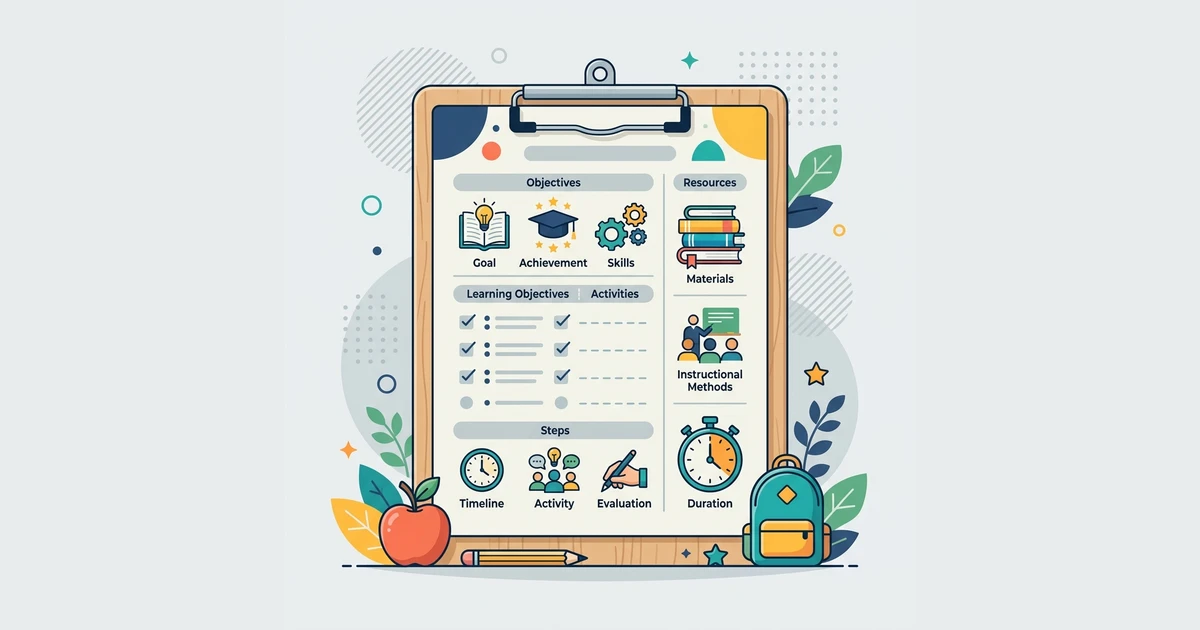
A learning implementation plan (RPP) is a plan that describes the procedures and organization of learning to achieve a basic competency set out in the Content Standards and described in the syllabus (Kunandar, 2011: 263).
Based on Republic of Indonesia Government Regulation Number 19 of 2005 Article 20, it is stated that “Learning process planning includes a syllabus and learning plan which contains at least learning objectives, learning resources and assessment of learning outcomes.”
Purpose and Function of RPP
The objectives of the learning implementation plan are to: (1) simplify, expedite and improve the results of the teaching and learning process; (2) by preparing learning plans professionally, systematically and effectively, teachers will be able to see, observe, analyze and predict learning programs as a logical and planned framework (Kunandar, 2011: 264).
Learning plan function is as a reference for teachers to carry out teaching and learning activities (learning activities) so that they are more focused and run effectively and efficiently (Kunandar, 2011: 264).
Elements that need to be considered when preparing a RPP
- refers to the basic competencies and abilities that students must master, as well as learning materials and sub-materials, learning experiences that have been developed in the syllabus;
- use various approaches that are appropriate to the material that provides life skills according to everyday problems and environments;
- using appropriate methods and media, which bring students closer to direct experience;
- assessment with a comprehensive and continuous testing system is based on a testing system developed in line with syllabus development (Kunandar, 2011: 265).